


Why Small Clubs Are Shaping the Future of Minimal Music
For years, electronic music has been expanding outward—bigger stages, louder systems, wider crowds. Yet, quietly and almost in resistance, another movement has been taking shape. One that looks inward. One that values proximity over scale, sound over spectacle, and intention over excess.
Minimal music, perhaps more than any other genre, has found its natural habitat in small, intimate dancefloors.
From Expansion to Reduction
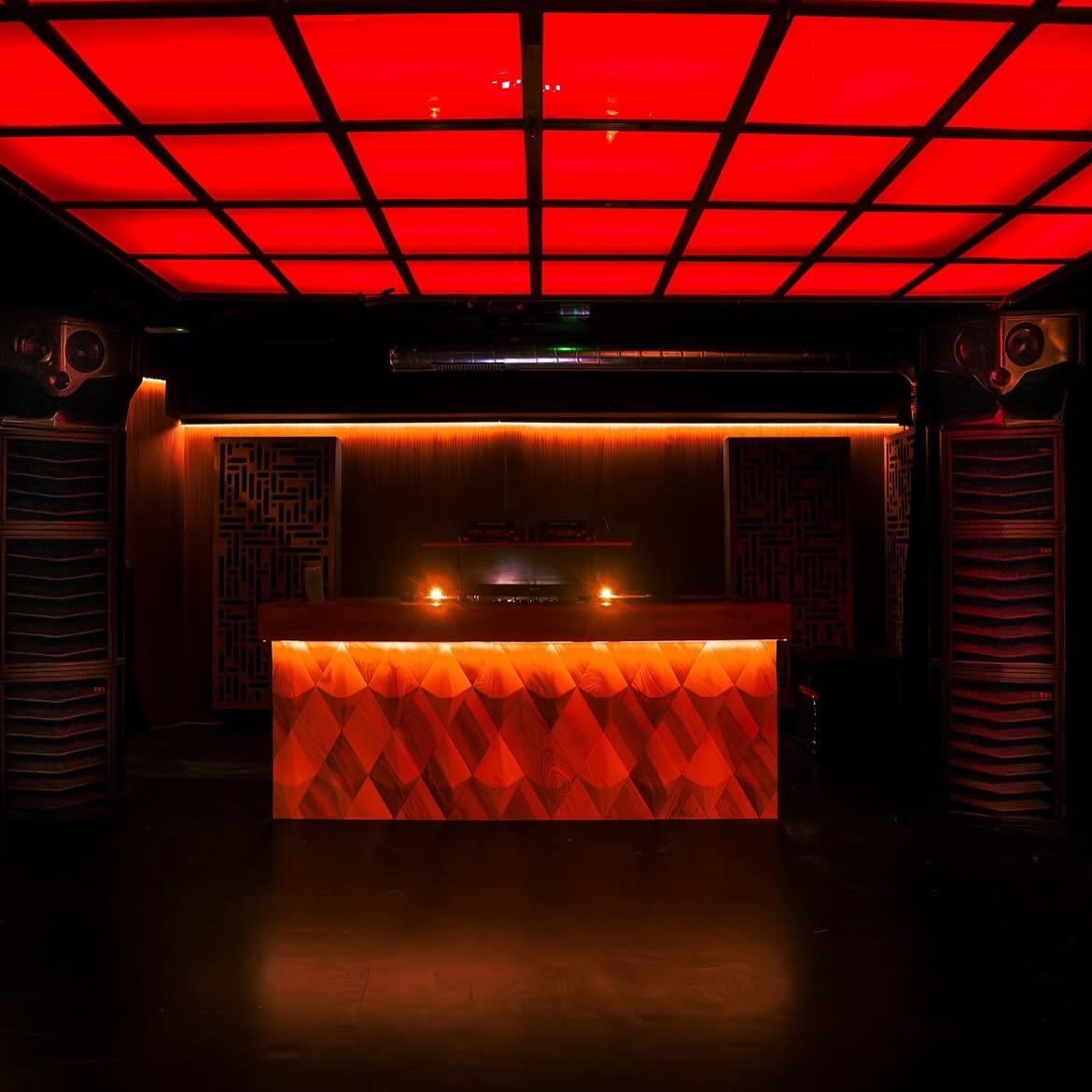
The contemporary club landscape is experiencing a subtle shift. While festivals continue to dominate headlines, a growing number of artists, selectors, and dancers are gravitating toward venues with capacities of 150 to 300 people. These spaces allow music to breathe. They restore a sense of dialogue between the DJ and the room.
In these environments, there is no need to overperform. The dancefloor becomes a shared organism, responsive and patient. The energy is built slowly, deliberately—something minimal music thrives on.
Sound Over Spectacle
Small clubs bring sound back to the center of the experience. Carefully tuned systems, thoughtful acoustic design, and restrained lighting allow listeners to focus on texture, groove, and micro-detail. Every hi-hat, every filtered bass movement, every moment of silence carries weight.
This is where minimal reveals its true depth—not as background music, but as a language that demands attention without asking for it loudly.
The DJ as Storyteller
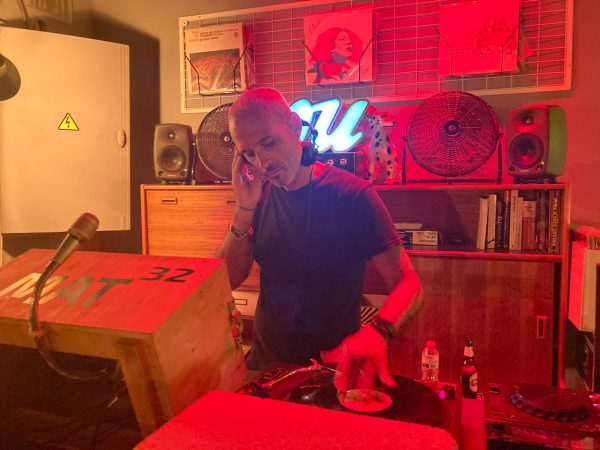
Intimate dancefloors redefine the role of the DJ. Here, long sets matter. Transitions are subtle. Track selection becomes narrative rather than impact-driven. There is space for risk, for patience, for emotional progression.
The DJ is no longer separated by height or distance but immersed within the crowd. This proximity fosters trust, allowing selectors to explore deeper paths without the pressure of instant gratification.
Real-World Examples: Spaces Where It Works
Around the globe, intimate dancefloors are becoming essential chapters in the minimal story. Places like Tomodachi Ibiza, Club Midi in Bucharest, About Blank in Berlin, Maus Hábitos in Porto and RAW in Tel Aviv all showcase how smaller venues give room for sonic detail, deeper connection and emotional resonance — qualities that large megaclubs struggle to offer.
These venues aren’t just stages — they are environments where sound, community and intentional presence converge.
Minimal as an Attitude
More than a genre, minimal is an attitude toward music and space. It values reduction, clarity, and purpose. In smaller venues, these principles are not just audible—they are visible and physical.
From understated clubs in Romania to refined rooms in Berlin, Lisbon, and Ibiza, this movement reflects a desire to reconnect with the essence of club culture: community, listening, and shared experience.
A Future Defined by Precision
The future of clubbing does not necessarily lie in expansion, but in precision. In spaces where sound is respected, where the dancefloor remains human in scale, and where music is allowed to unfold naturally.
As minimal continues to evolve, intimate dancefloors are not just a trend—they are a return to fundamentals. A reminder that sometimes, less truly is more.