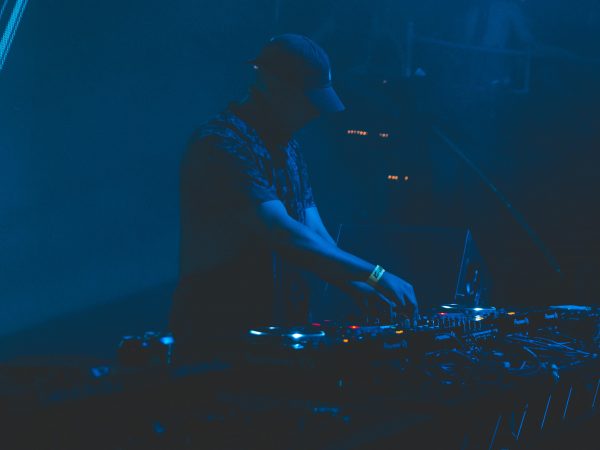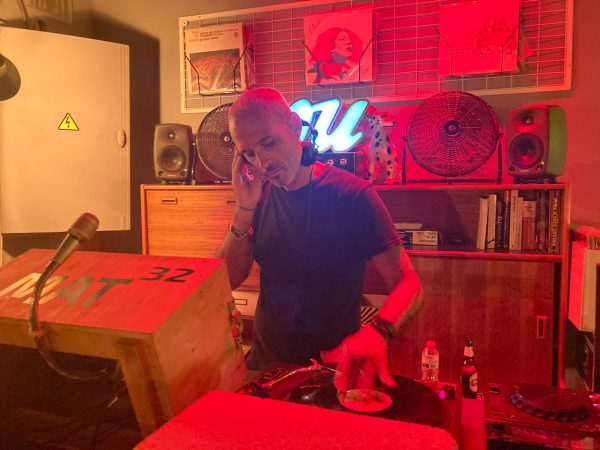



Why the Most Underrated Role in Minimal House Culture Matters More Than Ever
Before the peak-time energy, before the dancefloor locks into its full rhythm, there is a moment that defines everything that follows. A moment often overlooked in modern club culture: the warm-up set.
In today’s landscape—dominated by fast transitions and headliner-driven lineups—the art of the warm-up DJ is quietly re-emerging. And within minimal house and deep underground scenes, it has never been more relevant.
What Is a Proper Warm-Up Set?
A warm-up set is not about playing slow music. It’s about understanding space, timing and energy within the context of a night.
The role of the warm-up DJ is to prepare the room—not to dominate it. This means selecting tracks that gradually introduce groove, texture and rhythm without overwhelming the dancefloor. It’s about allowing the sound system to open up, the crowd to settle, and the atmosphere to form naturally.
In minimal house, where micro-detail and flow are essential, the warm-up becomes a refined exercise in restraint. Every transition, every frequency, every silence plays a role.
A Lost Skill in Modern Clubbing
As highlighted across platforms like Resident Advisor, modern club programming has increasingly shifted toward instant impact and high-energy delivery.
This shift has pushed the warm-up DJ into the background—or, in some cases, removed the role entirely.
But something has changed.
A new wave of dancers and selectors is seeking depth again. Less noise, more intention. Less performance, more journey. And in that context, the warm-up set becomes not just relevant—but essential.
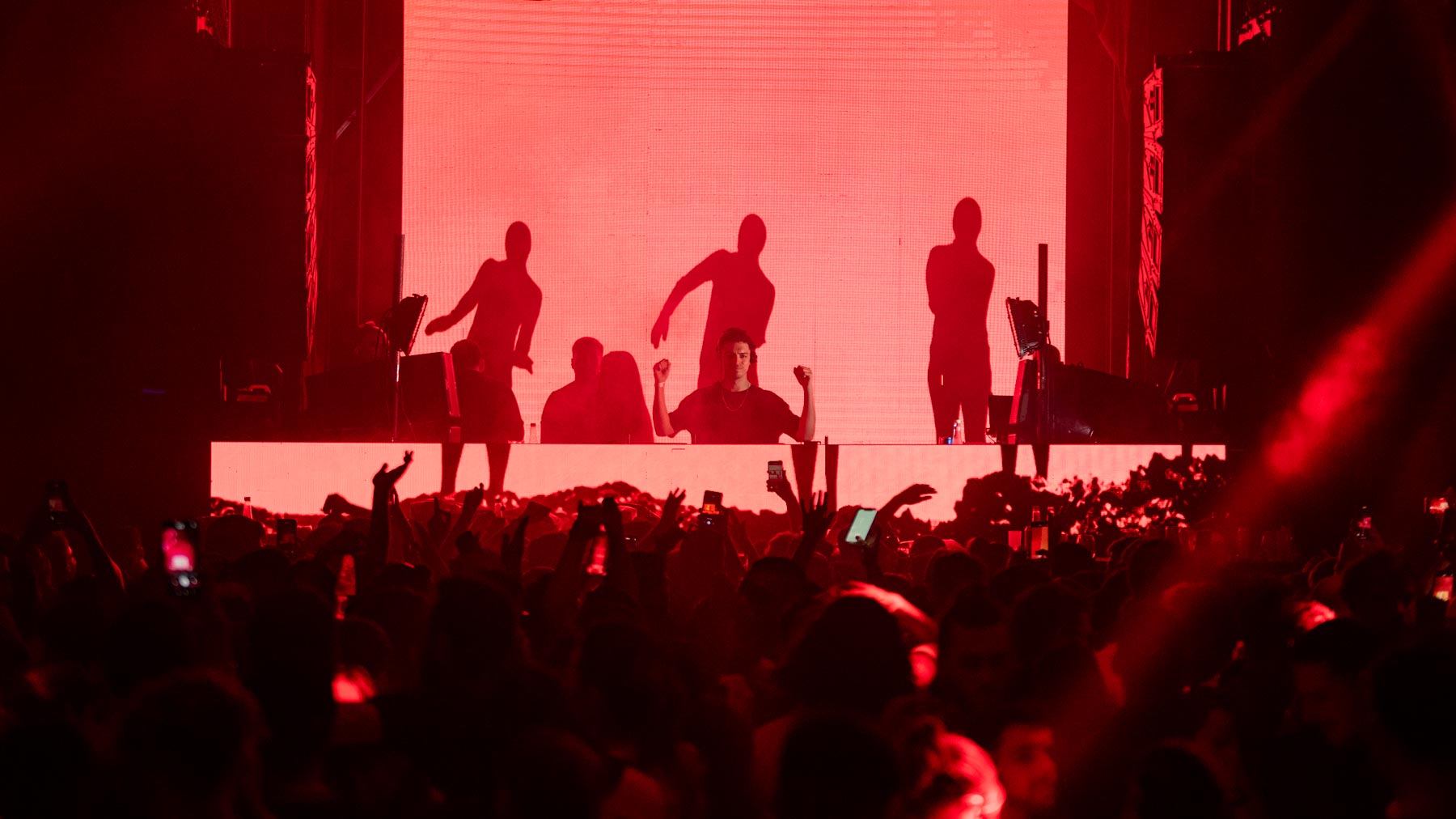
Why Warm-Up Sets Matter in Minimal and House
With the rise of intimate dancefloors and small underground clubs, the structure of the night has regained importance.
In these environments, energy is not forced—it is built.
A proper warm-up set allows:
- The sound system to breathe
- The room to develop organically
- The crowd to align with the space
Without this foundation, even the most experienced headliner can feel disconnected from the dancefloor.
In minimal house culture, the beginning of the night is not a filler—it is a crucial chapter.
Selector vs Performer
The warm-up DJ operates with a different mindset: one based on awareness, patience and control.
This is where the distinction between a selector and a performer becomes clear.
A performer seeks immediate reaction.
A selector reads the room.
Warm-up DJs must trust the process. They avoid rushing the energy and understand that their role is not to peak—but to guide.
Many of them rely on deep digging practices, often sourcing tracks through platforms like Discogs, building sets that feel personal, textured and intentional rather than obvious.
The Sound of the Beginning
Warm-up sets in minimal house often explore deeper, more subtle territories:
- Dubby textures
- Low-slung grooves
- Atmospheric layers
- Reduced arrangements
Tempo is controlled. Transitions are long and fluid. There is space between elements.
This is where minimal house reveals its most honest form—not in the drop, but in the build.
A Culture Worth Preserving
As underground culture continues to evolve, the return of the warm-up set reflects a deeper shift: a desire to reconnect with the fundamentals of the dancefloor.
Not everything needs to happen instantly.
Not every moment needs to explode.
The best nights are built with intention—and that process starts long before the peak.
In minimal house, the warm-up DJ is not secondary.
They are foundational.
Because without the beginning, there is no journey.